BUILDING FOR THE FUTURE: HOW THE TT HAS CONTINUED TO EVOLVE
The Isle of Man TT Races has always been defined by its unique challenge, rich heritage and extraordinary competitors. But while the Mountain Course remains one of the greatest tests in motorsport, the event around it has continued to evolve.
Over recent years, the TT has undergone one of the most significant periods of development in its modern history - with major progress made across event delivery, competitor welfare, operational structure and safety systems.
A NEW ERA FOR THE TT
Following the post-pandemic return in 2022, the TT entered a new phase with a clear focus on long-term growth and development. This has included a greater investment across the event with a strengthened organisational structure.
The introduction of the TT+ platform has allowed the digital broadcast capability to be expanded, alongside development of the event itself and redesigns to the long-standing schedule. There has also been commercial growth and reinvestment, all within a broader focus on professionalism and operational standards.
That progress has helped drive record growth across attendance, audience and commercial performance while also enabling meaningful reinvestment into the foundations of the event itself.
MEANINGFUL INVESTMENT
Paul Phillips, Head of Motorsport, Isle of Man TT Races:
“The Isle of Man TT has always stood for something extraordinary, but protecting that future means recognising that standing still is not an option. Over recent years, we have worked hard to strengthen the systems, structures and standards around the event - not to change what makes the TT special, but to ensure it continues to thrive in a modern global environment. Our focus is on continuous improvement, professionalism and building a sustainable future for the TT.”
INVESTING IN SAFETY AND DELIVERY
One of the most important outcomes of this growth has been increased investment across key operational and safety areas. This includes race organisation, marshalling, medical capability and safety infrastructure - all of which play a vital role in supporting the delivery of the TT.
Digital red flag systems have been introduced, Race Control CCTV has been expanded with improved GPS capability, while Incident Working Group Structures and an enhanced crisis communication system within Race Control and operational systems have also been implemented.
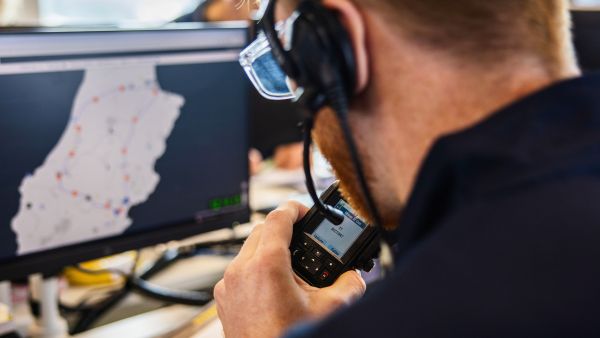
RACE CONTROL ADVANCEMENTS
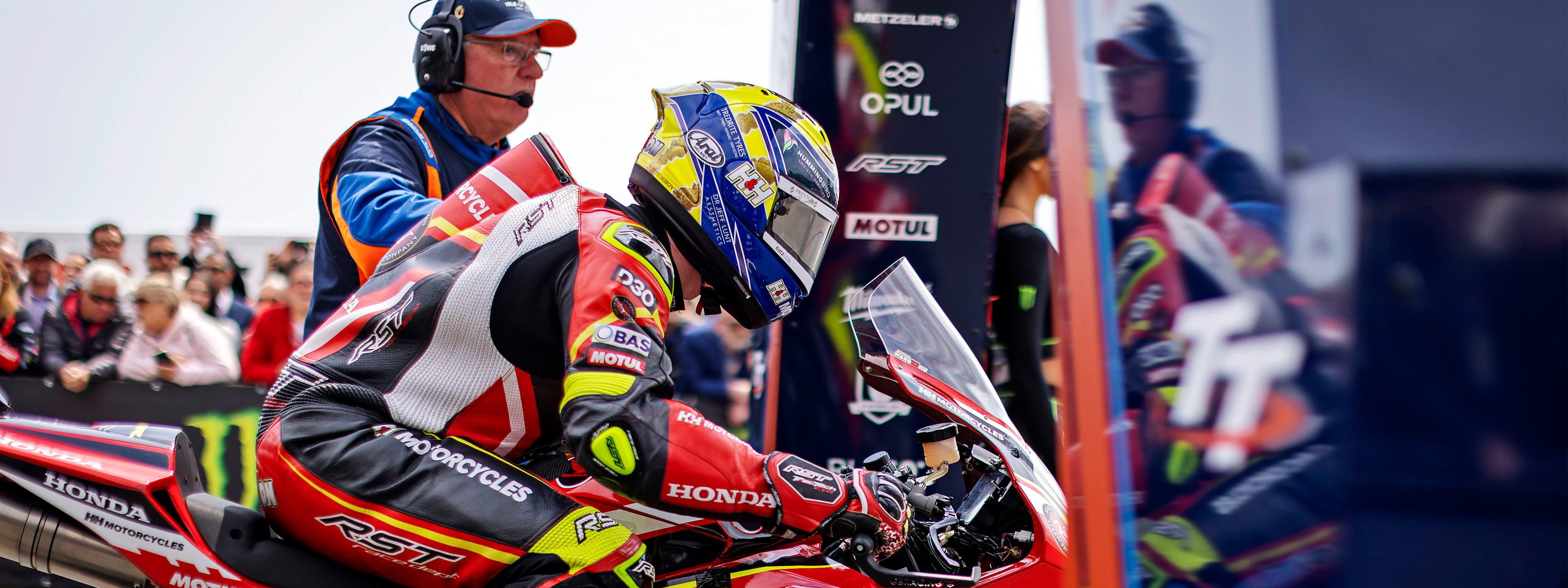
In the interest of safety and welfare for competitors, there has been an enhancement to PPE requirements and the implementation of airbag suits seen across International and national short circuit racing championships. This is alongside pre-event medicals, drug and alcohol testing, physiological testing and additional support for rider welfare and wellbeing.
The size of the grids for racing has been reduced, and the event timetable itself has been changed so that solo riders will no longer race 1000cc motorcycles and smaller capacity machines on the same day. Meanwhile, Newcomers are no longer eligible to compete in 6-lap races, and qualifying now features single start qualifying, rather than setting off in pairs as was historically the case.
The Sidecar category has also undergone major development across both testing and the technical regulations.
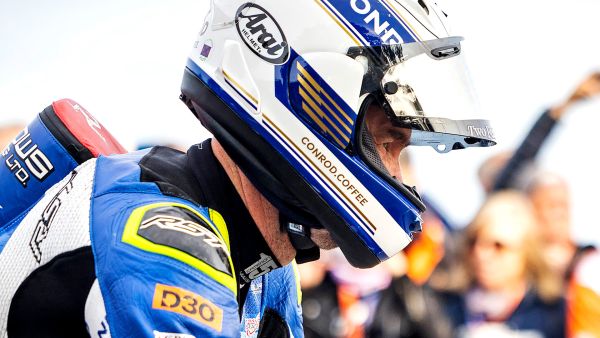
ENHANCED PPE REQUIREMENTS
Finally, there have been organisation reforms within marshaling, incorporating an expanded training system. This is alongside an improved availability of medical response vehicles and developments to the medical centre itself, while upgrades continue to be made to the pit lane, assembly area and safety measures both environmentally and on the Mountain Course.
Together, these initiatives represent a significant period of modernisation for the event.
Gary Thompson MBE, BEM, TT Clerk of the Course:
“At its core, the TT will always be defined by the Mountain Course and the challenge it presents, but delivering the event at the highest level requires constant evolution behind the scenes. Significant work has gone into strengthening race operations, procedures and organisational capability in recent years. That ongoing development is about ensuring we continue to deliver the event as professionally, effectively and responsibly as possible.”
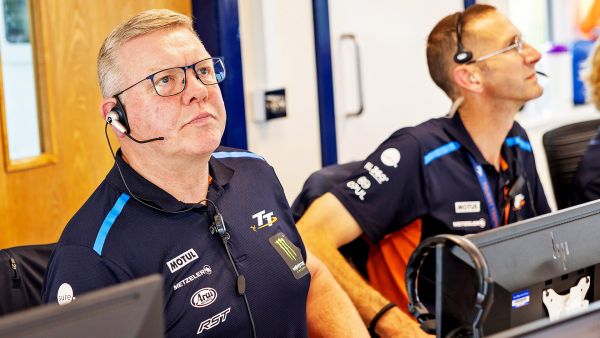
GARY THOMPSON MBE, BEM - CLERK OF THE COURSE
STRENGTHENING COMPETITOR WELFARE AND MEDICAL CAPABILITY
Medical provision and competitor welfare remain central to the event’s continued development.
As the TT has evolved, so too has the focus on strengthening the systems that support competitors both on and off the course.
Improvements have been made to the capability of medical response and trauma planning, while specific facilities for competitor welfare, competitor screening and physiological and psychological support have all been enhanced. All of the above sits within a structured medical governance.
Dr Gareth Davies, TT Chief Medical Officer:
“Medical provision and competitor welfare are critical parts of delivering an event of this scale and complexity. Over recent years, we have continued to develop and enhance medical systems, response capability and welfare support across the TT. This is about applying modern expertise, continuous learning and structured planning to an extraordinary event environment, ensuring we are always striving to improve.”
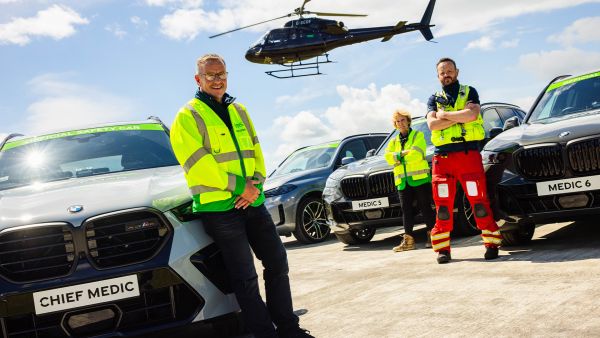
WORLD-CLASS MEDICAL PROVISION
SUPPORTING THE PEOPLE AT THE HEART OF THE EVENT
The TT’s evolution is not only about systems and infrastructure - it is also about the people who make the event possible.
Marshals remain one of the most vital parts of the TT ecosystem, and recent years have seen growing emphasis placed on strengthening marshal recruitment, support, professionalism and development.
Andy Priestley, TT Marshals Chairman:
“Marshals remain at the heart of the Isle of Man TT, and the professionalism, commitment and dedication shown by volunteers across the course is extraordinary. In recent years, we have placed increasing emphasis on training, structure and support to ensure marshals are equipped to meet the evolving demands of the event. Supporting our people and continuously raising standards is essential to the future strength of the TT.”
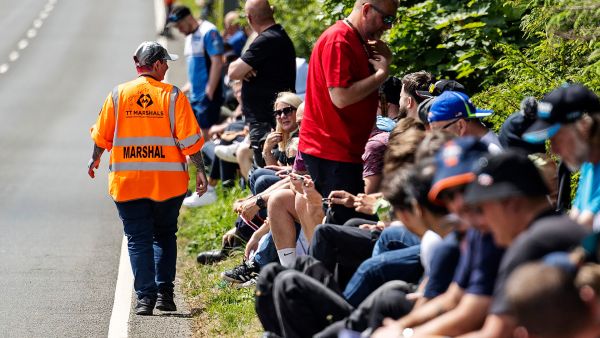
THE ORANGE ARMY
A SHIFT IN APPROACH
Perhaps most importantly, recent years have also seen an evolution in mindset.
The TT has increasingly focused on being proactive rather than reactive - using strategic planning, structured development and continuous improvement to strengthen the event across multiple areas.
That means not only preserving what makes the TT special, but ensuring it continues to operate in a way that reflects the standards expected of a world-class global sporting event.
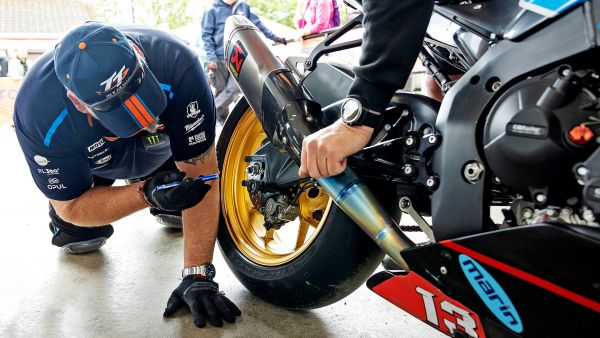
CONSISTENT STANDARDS AND CONTINUED IMPROVEMENT
PRESERVING WHAT MAKES THE TT EXTRAORDINARY
The challenge of the TT remains unchanged and the Mountain Course remains one of the world’s most iconic and demanding sporting arenas. But as the event grows globally - through expanded digital reach, international partnerships and new audiences - the systems around it must continue to evolve too.
This is not about changing the TT; it is about protecting it.
By investing in the people, infrastructure, systems and professionalism that support the event, the TT continues to strengthen its foundations for the future.
LOOKING AHEAD
The Isle of Man TT has always balanced heritage with progress. As the event continues to grow, that balance remains as important as ever.
Recent years have demonstrated a clear commitment to continuous improvement - across safety, delivery, presentation and professionalism - helping ensure the TT remains not only one of the world’s most extraordinary sporting events, but one that continues to evolve responsibly for future generations.
The TT remains unique.
It remains extraordinary.
And it remains committed to moving forward.